

Helping little ones build
skills for everyday life.
We help children build the motor, sensory, and self-care skills they need to participate more confidently and independently at home, at school, and in the community.
Schedule an OT Evaluation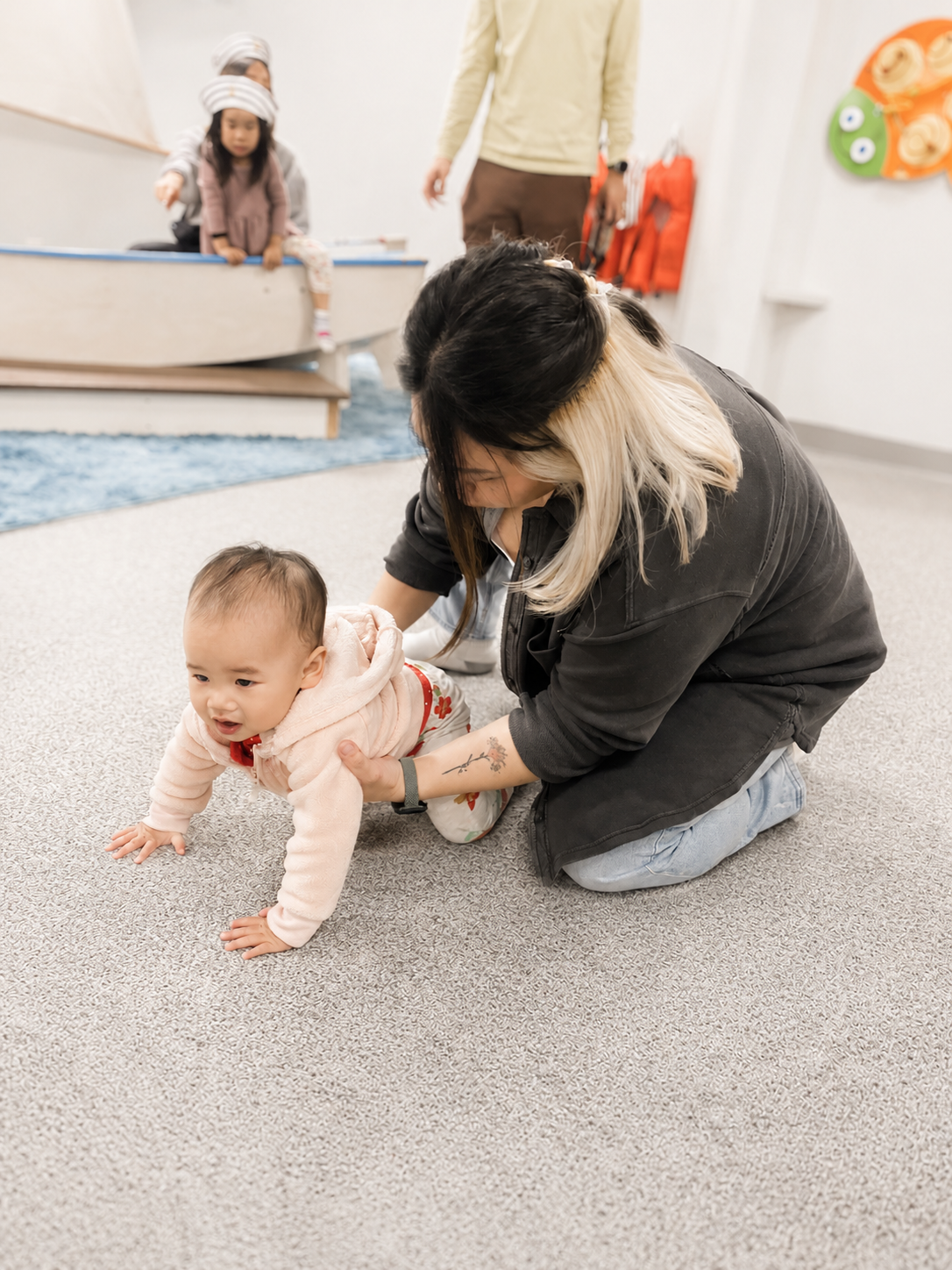
What is Pediatric
Occupational Therapy?
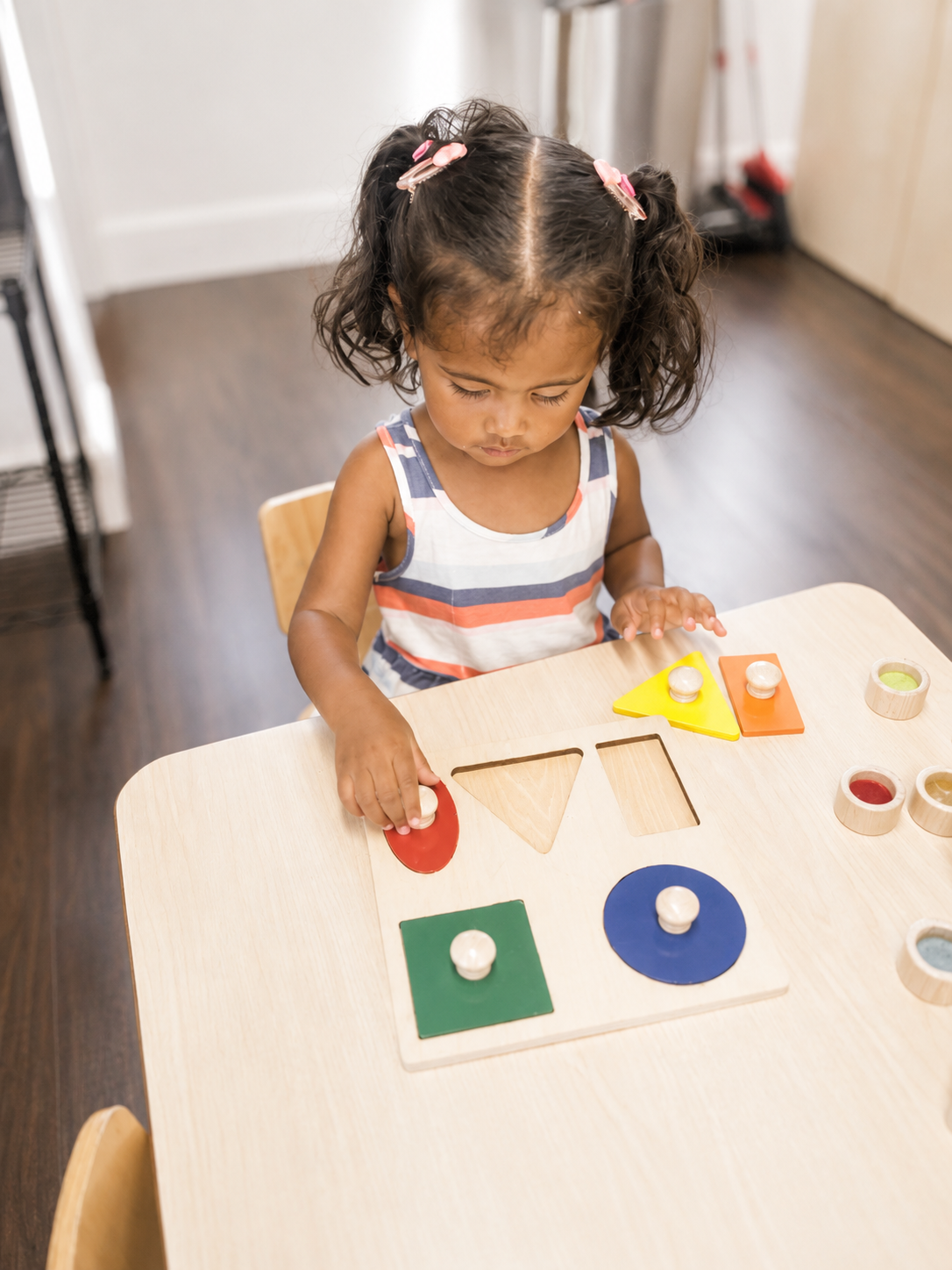
Pediatric occupational therapy helps children build the skills they need to participate more fully in everyday life—from playing and learning to getting dressed, managing routines, and becoming more independent.
Through play and practical activities, therapy is tailored to your child’s strengths and needs, helping skills carry over into everyday life.
Is Occupational Therapy Right for Your Child?
OT may help when motor, sensory, or daily living challenges make everyday activities harder.
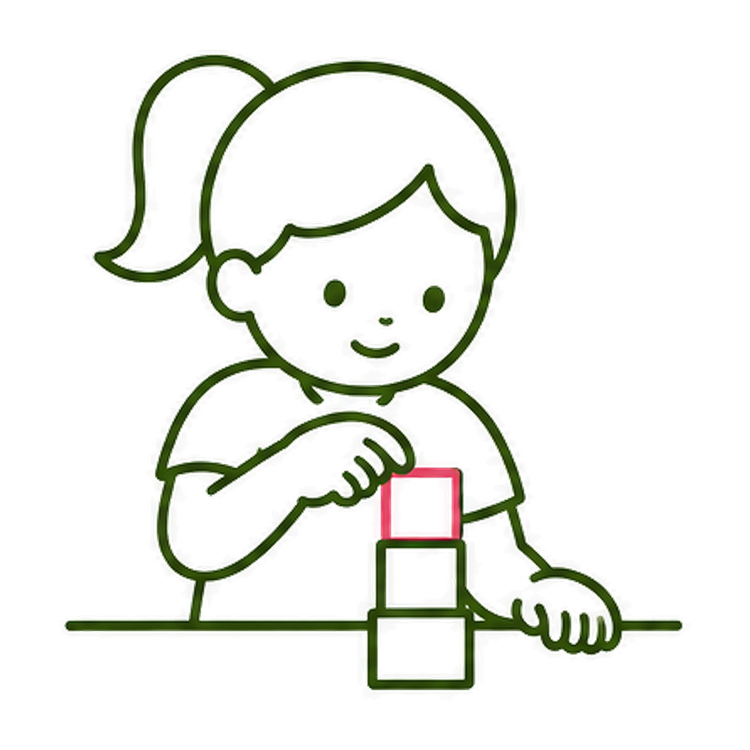
FINE MOTOR SKILLS
Difficulty with small movements like using utensils, building, crafting, or manipulating toys.
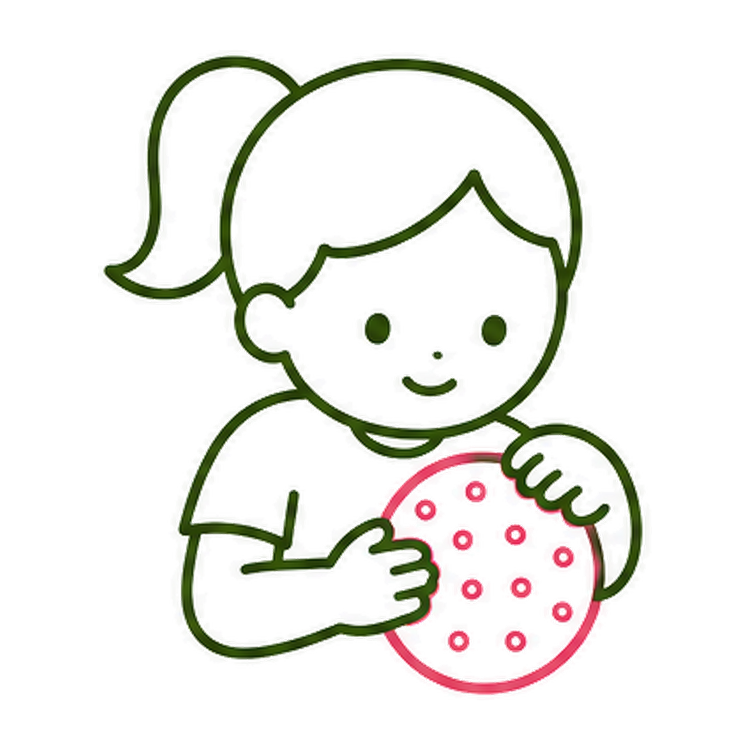
SENSORY PROCESSING
Sensitivity to sounds, textures, lights, or movement that affects comfort, focus, or participation.
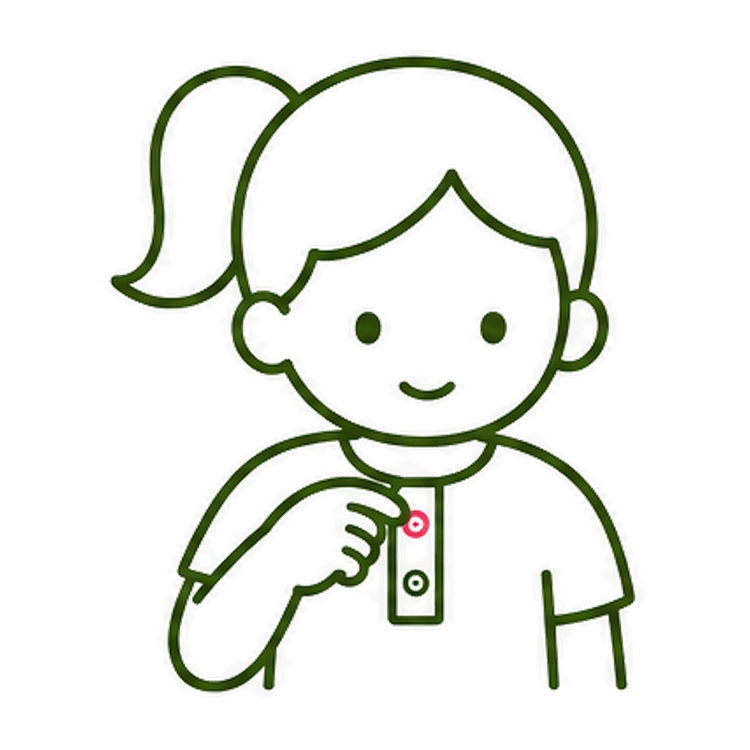
DRESSING & SELF-CARE
Challenges with dressing, fasteners, grooming, or other everyday self-care tasks.

HANDWRITING
Difficulty with pencil grasp, letter formation, spacing, or keeping up with writing demands.
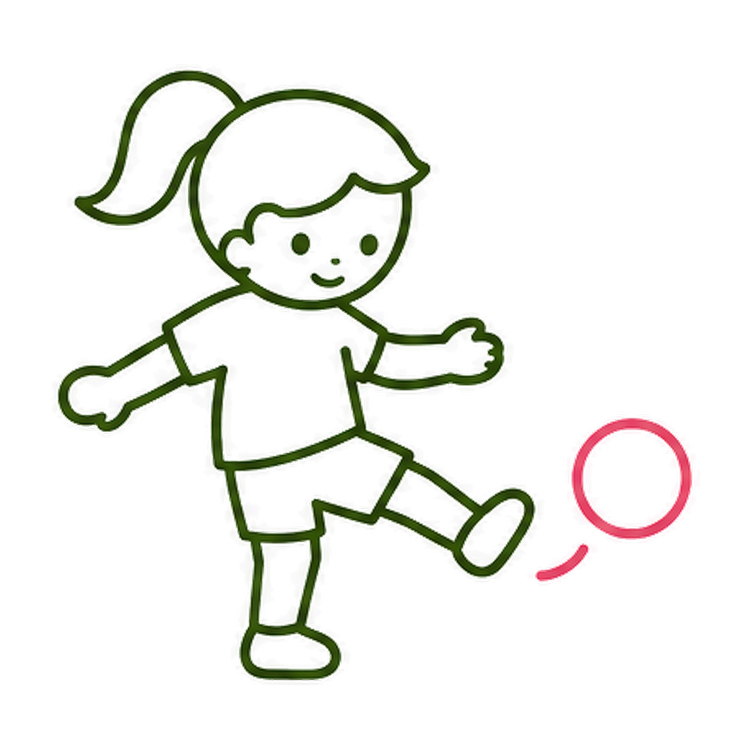
COORDINATION
Challenges with balance, coordination, or motor planning that affect play and everyday activities.
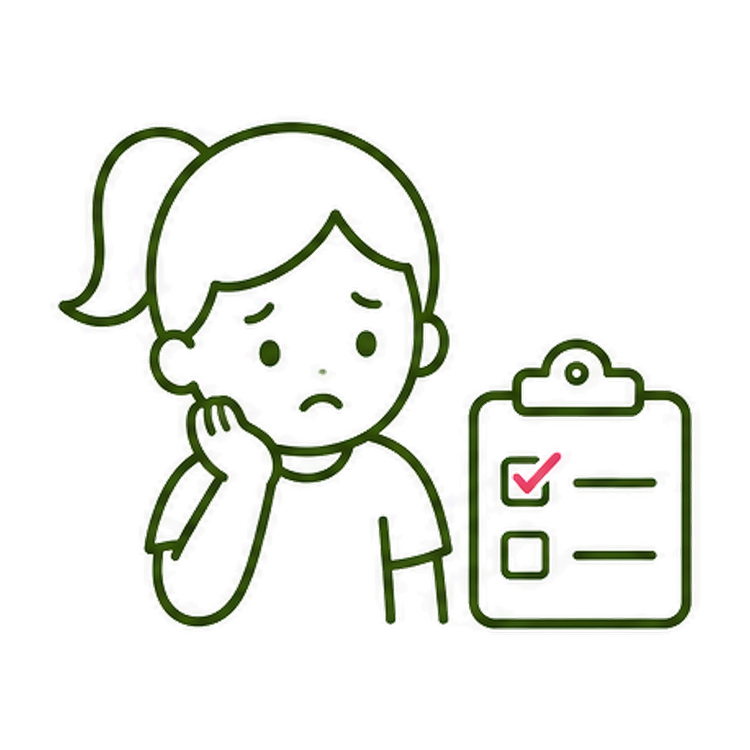
DAILY ROUTINES & INDEPENDENCE
Frustration with transitions, following routines, or completing everyday tasks independently.
What OT
Looks Like.
Sessions are playful, practical, and built around skills that matter in your child’s everyday life.

PLAY-BASED ACTIVITIES
Children build motor, sensory, and everyday skills through activities that feel engaging and fun.

PRACTICAL STRATEGIES
We use activities and strategies designed to support participation at home, at school, and in the community.
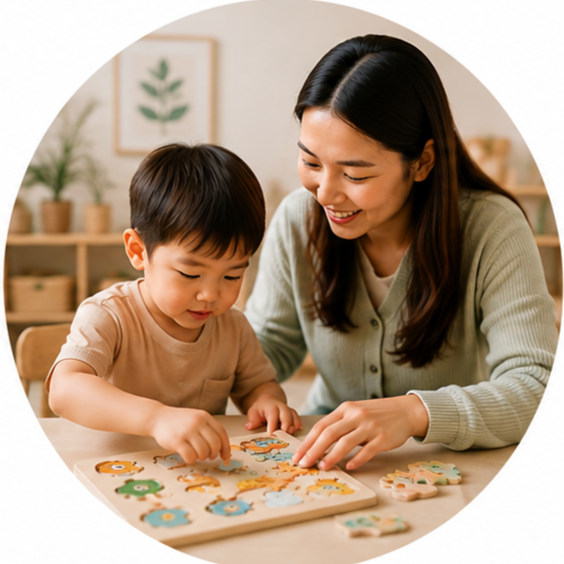
PARENT PARTNERSHIP
We partner with families with guidance and practical ideas to help skills carry over between visits.
Building skills for everyday life.
Personalized occupational therapy to support your child’s motor, sensory, self-care, and everyday participation.